
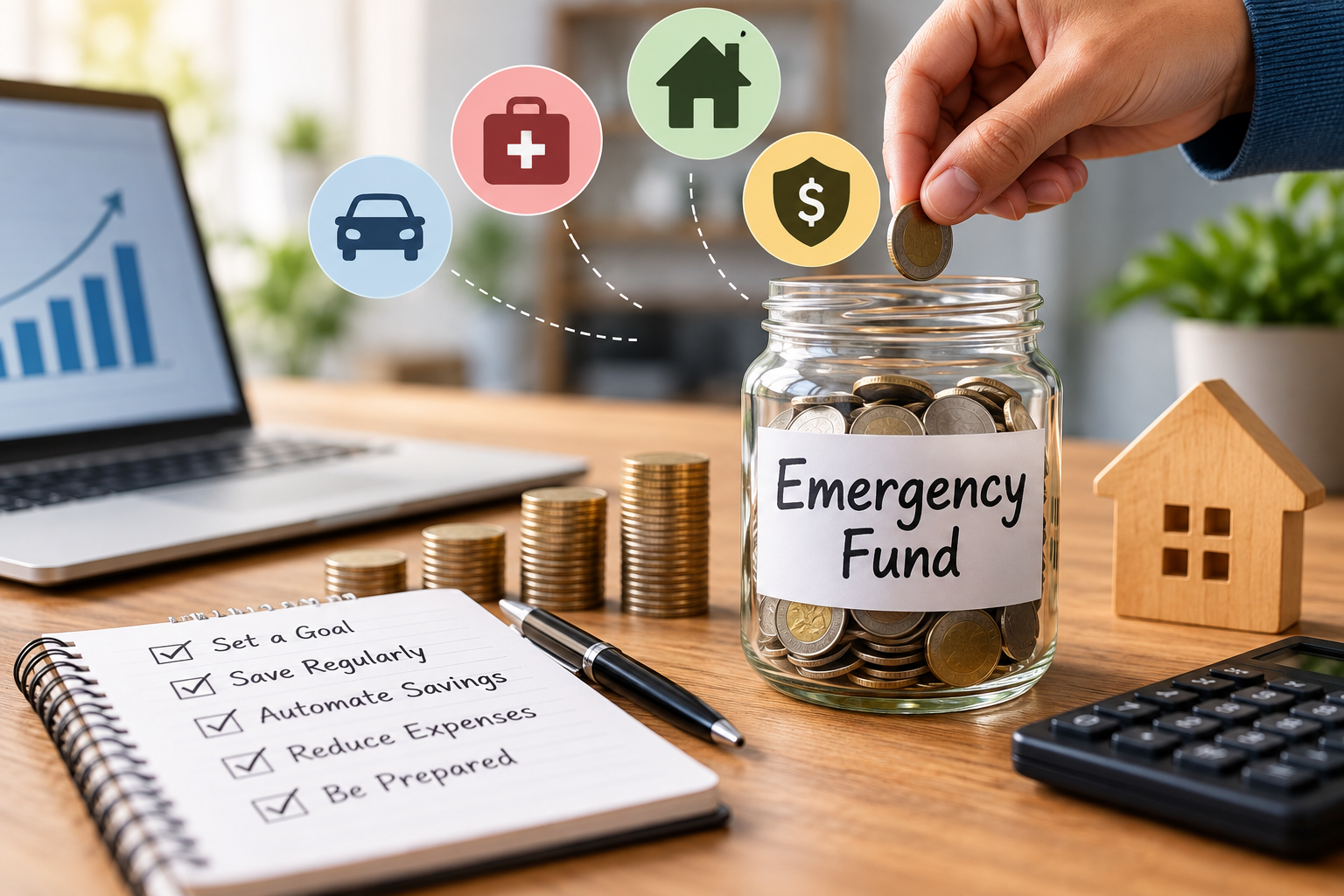
Unexpected expenses can happen at any time. A car repair, medical bill, home repair, or temporary loss of income can put pressure on your finances if you do not have money set aside.
An emergency fund is money reserved specifically for unexpected expenses. Even starting with a small amount can give you a financial cushion and help reduce the need to rely on credit or loans when an unexpected expense occurs. The Consumer Financial Protection Bureau (CFPB) recommends setting aside money for unplanned expenses and building the habit gradually.
What Is an Emergency Fund?
An emergency fund is a dedicated cash reserve for expenses that are unexpected and important. It is different from money you save for planned purchases, vacations, entertainment, or other regular spending.
Common reasons to use an emergency fund include:
- Unexpected car repairs
- Medical expenses
- Home or appliance repairs
- Temporary loss of income
- Urgent travel
- Unexpected essential bills
The amount you need depends on your personal circumstances, income, expenses, and financial responsibilities. There is no single amount that works for everyone.
Why Is an Emergency Fund Important?
Without savings, an unexpected expense may force you to use a credit card, borrow money, or take funds away from another financial goal.
An emergency fund provides money that is already available when you need it. This can make it easier to handle financial surprises without immediately turning them into additional debt.
The CFPB notes that having savings available for financial shocks can help people recover from unexpected expenses and reduce reliance on credit or loans.
1. Set a Realistic Savings Goal
The first step is to choose an amount you can realistically work toward.
Do not assume that you need to save a large amount immediately. If your current income is limited, start with a smaller target and increase it over time.
For example, you might create goals such as:
| Savings Stage | Example Goal |
|---|---|
| First Goal | $500 |
| Second Goal | $1,000 |
| Long-Term Goal | Based on your expenses |
These are example targets, not universal requirements. Your ideal emergency savings amount should reflect your own situation.
The CFPB specifically recommends considering your past unexpected expenses and financial circumstances when deciding how much to save.
2. Review Your Monthly Budget
Before deciding how much you can save, look at your current income and expenses.
Review your:
- Housing costs
- Food expenses
- Transportation
- Utilities
- Debt payments
- Subscriptions
- Insurance
- Personal spending
Then identify how much money remains after essential expenses.
If you already have a budget, use it to find areas where you could reduce unnecessary spending and redirect some of that money toward savings.
3. Start With a Small Amount
You do not need to wait until you can save a large amount.
For example, you could start by saving:
- $10 per week
- $25 per week
- $50 per month
- A percentage of each paycheck
The exact amount matters less than creating a saving habit that you can maintain.
The CFPB recommends consistent contributions and notes that even small amounts can help people begin building emergency savings.
4. Automate Your Savings
One of the simplest ways to make saving more consistent is to automate it.
You can arrange for money to move automatically from your checking account to a dedicated savings account on a regular schedule.
For example:
Payday → Automatic transfer → Emergency savings
Automation reduces the need to remember to transfer money manually every time you receive income.
The CFPB identifies automatic recurring transfers as one useful way to build a consistent savings habit.
5. Keep Your Emergency Money Separate
Consider keeping emergency savings in a separate account from the money you use for everyday spending.
This can make it easier to see how much you have saved and reduce the temptation to spend the money on non-essential purchases.
The CFPB suggests keeping emergency savings somewhere that is safe, accessible, and less tempting to spend unnecessarily.
6. Use Extra Money to Build Savings
Sometimes you receive money outside your regular income. Instead of spending all of it, consider putting some toward your emergency fund.
Examples may include:
- Bonuses
- Cash gifts
- Tax refunds
- Freelance income
- Selling unused items
- Temporary extra income
You do not have to save all of an unexpected payment. Even putting a portion toward your savings can help you reach your goal faster.
7. Reduce Unnecessary Expenses
Look through your regular spending and identify expenses that are not essential.
You might find opportunities to reduce:
- Unused subscriptions
- Frequent restaurant meals
- Impulse purchases
- Unnecessary shopping
- Expensive entertainment
- Unused memberships
The goal is not to eliminate everything you enjoy. Instead, identify a few expenses you can reduce without making your everyday life unnecessarily difficult.
8. Decide What Counts as an Emergency
An emergency fund works best when you establish clear rules for when to use it.
Appropriate situations might include:
- An urgent medical expense
- Essential home repairs
- A necessary vehicle repair
- Unexpected loss of income
- An urgent family situation
A planned vacation, new phone, entertainment purchase, or regular monthly bill generally should not be treated as an emergency.
Creating your own guidelines can help you avoid using the money for everyday spending.
9. Rebuild Your Savings After Using It
Using your emergency fund does not mean you failed to save. The purpose of the fund is to help when an unexpected expense actually happens.
After using some or all of it, return to your regular saving routine and work toward rebuilding the balance.
The CFPB also recommends rebuilding emergency savings after you need to spend it.
10. Review Your Savings Regularly
Your financial situation can change over time.
You may get a new job, move to a different home, have higher expenses, or experience changes in your income. Review your savings goal when your circumstances change.
A simple monthly check can help you answer:
- How much have I saved?
- Am I still contributing regularly?
- Have my expenses changed?
- Do I need to adjust my savings goal?
Regular reviews can help keep your savings plan realistic.
Where Should You Keep an Emergency Fund?
Your emergency savings should generally be accessible when you need it while being separated from everyday spending.
Depending on your circumstances, options may include a bank or credit union savings account.
The CFPB recommends considering safety, accessibility, and how easily you may be tempted to spend the money when choosing where to keep emergency savings.
For U.S. consumers, the FDIC also provides educational resources on saving for unexpected expenses and building emergency savings.
Common Emergency Fund Mistakes
Avoid these common mistakes when building your savings:
- Waiting until you can save a large amount
- Using emergency savings for everyday purchases
- Keeping all savings in an account used for daily spending
- Setting an unrealistic savings target
- Forgetting to rebuild savings after using it
- Not reviewing your financial situation regularly
A simple and sustainable approach is often easier to maintain than an aggressive savings plan that does not fit your income.
Emergency Fund Checklist
Use this quick checklist to get started:
- Set a realistic savings goal
- Review your monthly expenses
- Decide how much you can save
- Open or designate a separate savings account
- Set up automatic contributions
- Add extra income when possible
- Define what counts as an emergency
- Track your progress
- Rebuild savings after using it
- Review your goal regularly
Frequently Asked Questions
Q1: How much should I have in an emergency fund?
Ans: There is no universal amount. Your target should depend on your income, expenses, financial responsibilities, and likely unexpected costs.
Q2: How can I start an emergency fund with little money?
Ans: Start with an amount you can afford, even if it is small. Consistent contributions can gradually build your savings.
Q3:Where should I keep my emergency savings?
Ans: Consider a safe and accessible savings account that is separate from your everyday spending account.
Q4:Should I use my emergency fund for planned expenses?
Ans: Generally, no. Keep it for unexpected and important expenses so it remains available when a genuine emergency occurs.
Q5:What should I do after using my emergency fund?
Ans: Resume your regular contributions and work toward rebuilding the amount you used.
Final Thoughts
Building an emergency fund does not have to happen overnight. Start with a realistic goal, save consistently, automate contributions when possible, and keep the money separate from your everyday spending.
Even a small savings balance can be a useful starting point. As your financial situation improves, you can gradually increase your contributions and build a stronger reserve for unexpected expenses.