
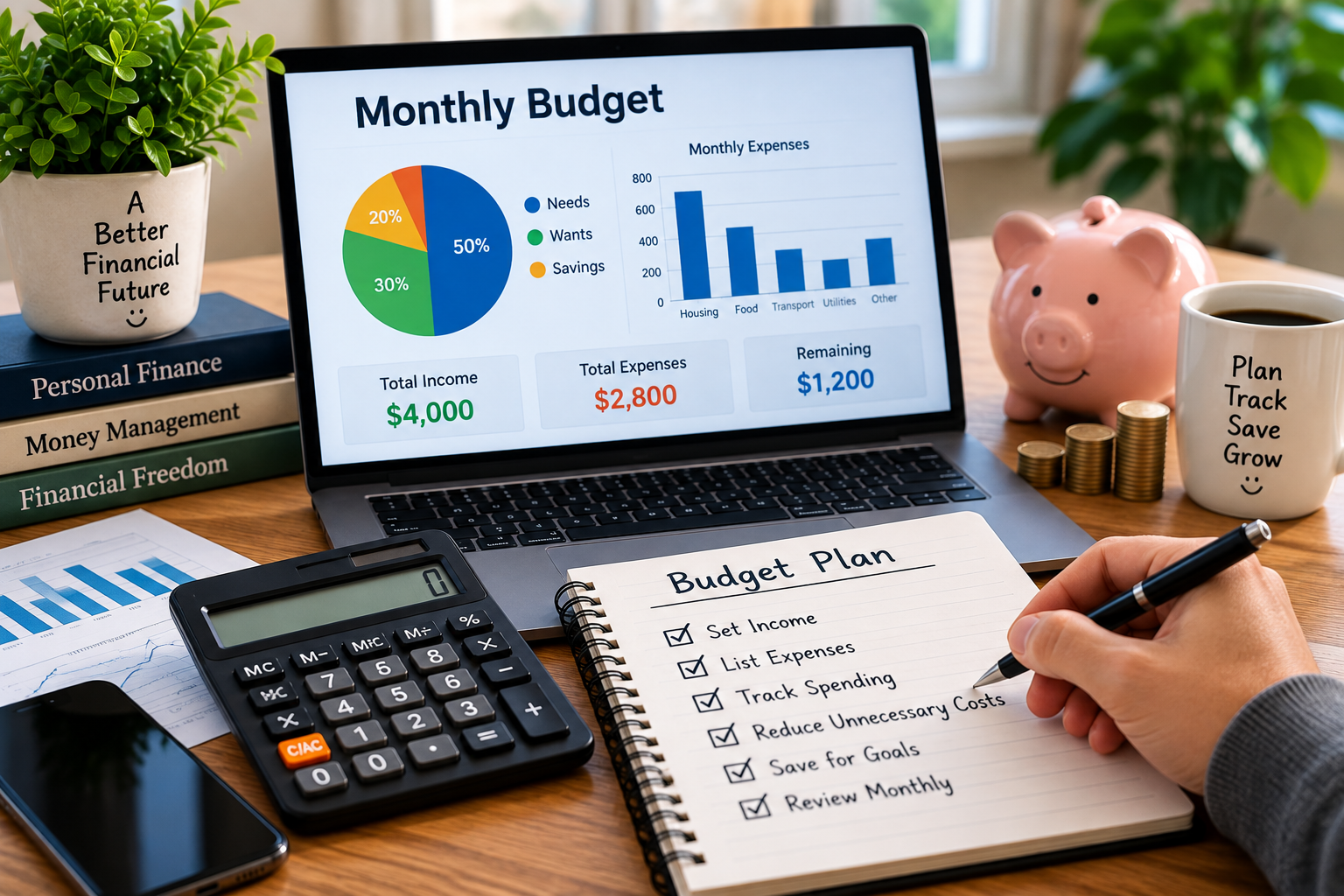
Managing money becomes easier when you know where your money comes from and where it goes. A personal budget gives you a simple way to organize income, plan expenses, and work toward financial goals.
You do not need complicated software or advanced financial knowledge to get started. In fact, a basic budget can begin with your monthly income, regular expenses, savings goals, and a plan for spending.
This guide explains how to create a personal budget step by step. You will learn how to organize your income, separate needs from wants, plan for savings, track spending, and adjust your budget when your situation changes.
What Is a Personal Budget?
A personal budget is a written plan for how you will use your money during a specific period, usually a month.
A simple budget compares your expected income with your expected expenses. Consumer.gov describes a budget as a plan that helps you decide how to spend your money each month. It can also help you identify opportunities to save for goals or emergencies.
Your budget can include:
- Income
- Housing costs
- Utilities
- Food
- Transportation
- Debt payments
- Entertainment
- Subscriptions
- Savings
- Unexpected expenses
The goal is not to track every penny forever. Instead, the goal is to understand your spending and create a system that works for your situation.
1. Calculate Your Monthly Income
Start with the money you expect to receive during the month.
For someone with a regular salary, this may be straightforward. However, income can become more complicated if you freelance, run a business, work multiple jobs, or receive payments at different times.
Include income that you can reasonably expect to use for your monthly expenses.
For example, your monthly income might include:
- Salary or wages
- Freelance payments
- Business income
- Part-time work
- Regular benefits
- Other reliable income
If your income changes from month to month, avoid building your budget around your highest earning month.
Instead, review your previous income and use a realistic estimate. Consumer.gov suggests that people without regular monthly pay can use their previous year’s income to estimate an average monthly amount.
Example
Suppose your income over the previous year was:
$48,000 ÷ 12 = $4,000 average monthly income
You could use that figure as a starting point and adjust it when your actual income changes.
2. List All Your Monthly Expenses
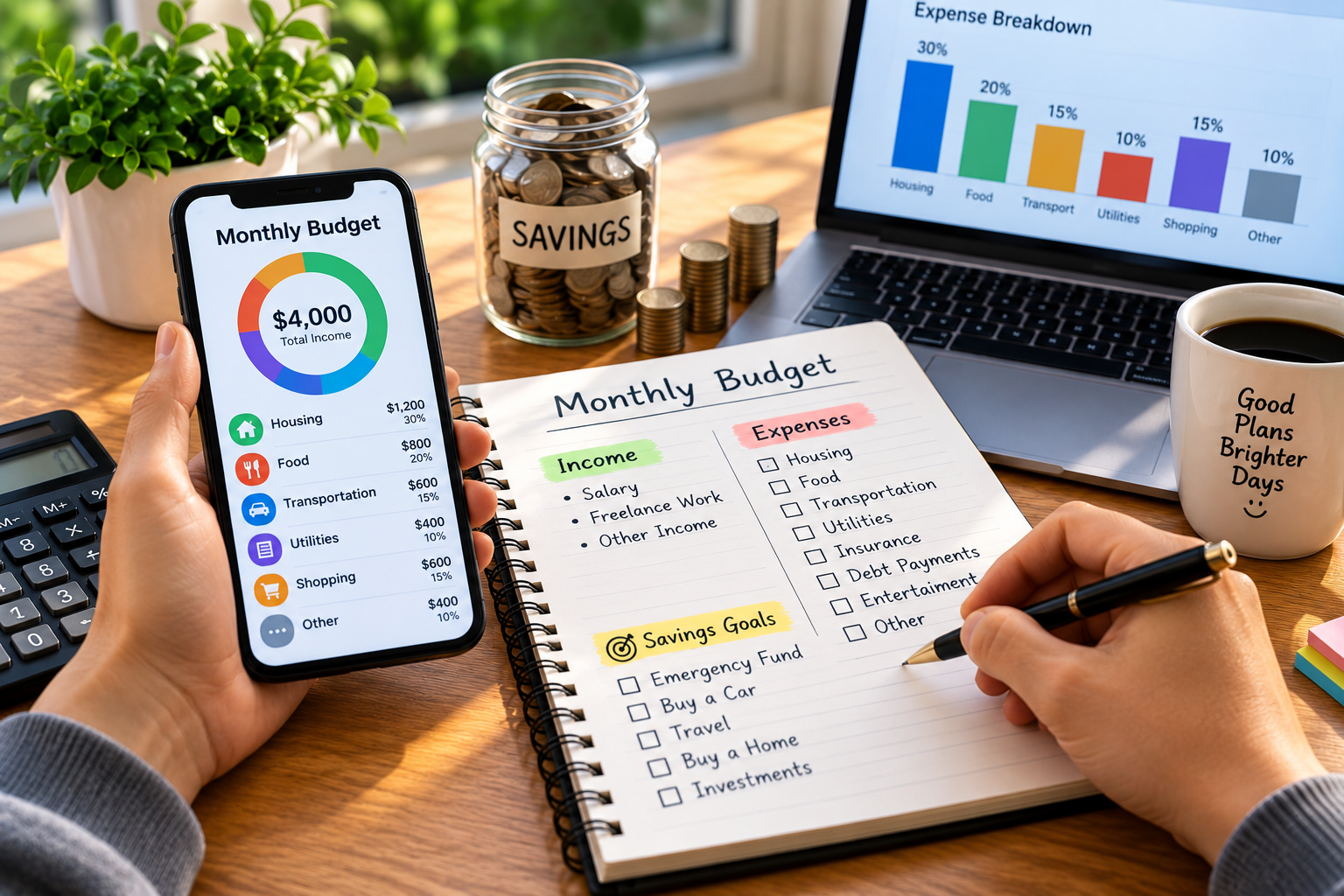
Next, write down everything you spend money on.
Start with your regular bills. Then add flexible and occasional expenses.
Fixed Expenses
These usually stay similar from month to month.
Examples include:
- Rent or mortgage
- Insurance
- Internet
- Phone plans
- Loan payments
- Subscription services
Variable Expenses
These can change depending on your habits or circumstances.
Examples include:
- Groceries
- Gas
- Dining out
- Entertainment
- Clothing
- Personal spending
Do not forget expenses that occur less frequently.
For example, car insurance might be paid once or twice a year. Gifts, school costs, repairs, travel, and seasonal expenses can also affect your budget.
The Consumer Financial Protection Bureau recommends looking back over several months to identify expenses that do not appear every month.
Make a Complete Expense List
A useful starting list could look like this:
| Category | Monthly Amount |
|---|---|
| Housing | $1,200 |
| Utilities | $200 |
| Groceries | $450 |
| Transportation | $250 |
| Insurance | $150 |
| Debt payments | $300 |
| Subscriptions | $50 |
| Personal spending | $200 |
| Savings | $400 |
Your actual numbers will depend on your income, location, household, and financial commitments.
3. Separate Needs From Wants
Once you know your expenses, separate essential spending from optional spending.
Needs are expenses that support basic living and important financial obligations.
Examples include:
- Housing
- Basic food
- Utilities
- Transportation
- Required insurance
- Minimum debt payments
Wants are purchases that can improve your lifestyle but are not essential.
Examples include:
- Restaurant meals
- Entertainment
- Premium subscriptions
- Nonessential shopping
- Vacations
This does not mean you should remove every want from your budget.
Instead, the distinction helps you decide where to adjust spending when money becomes tight.
A Simple Example
Imagine your monthly take-home income is $3,500.
You spend:
- $1,200 on housing
- $500 on groceries and household items
- $250 on transportation
- $300 on debt payments
- $150 on utilities
- $250 on entertainment and dining
- $300 on savings
That leaves $550 for other expenses or additional financial goals.
The important part is knowing where the money goes before deciding what to change.
4. Set Savings Goals
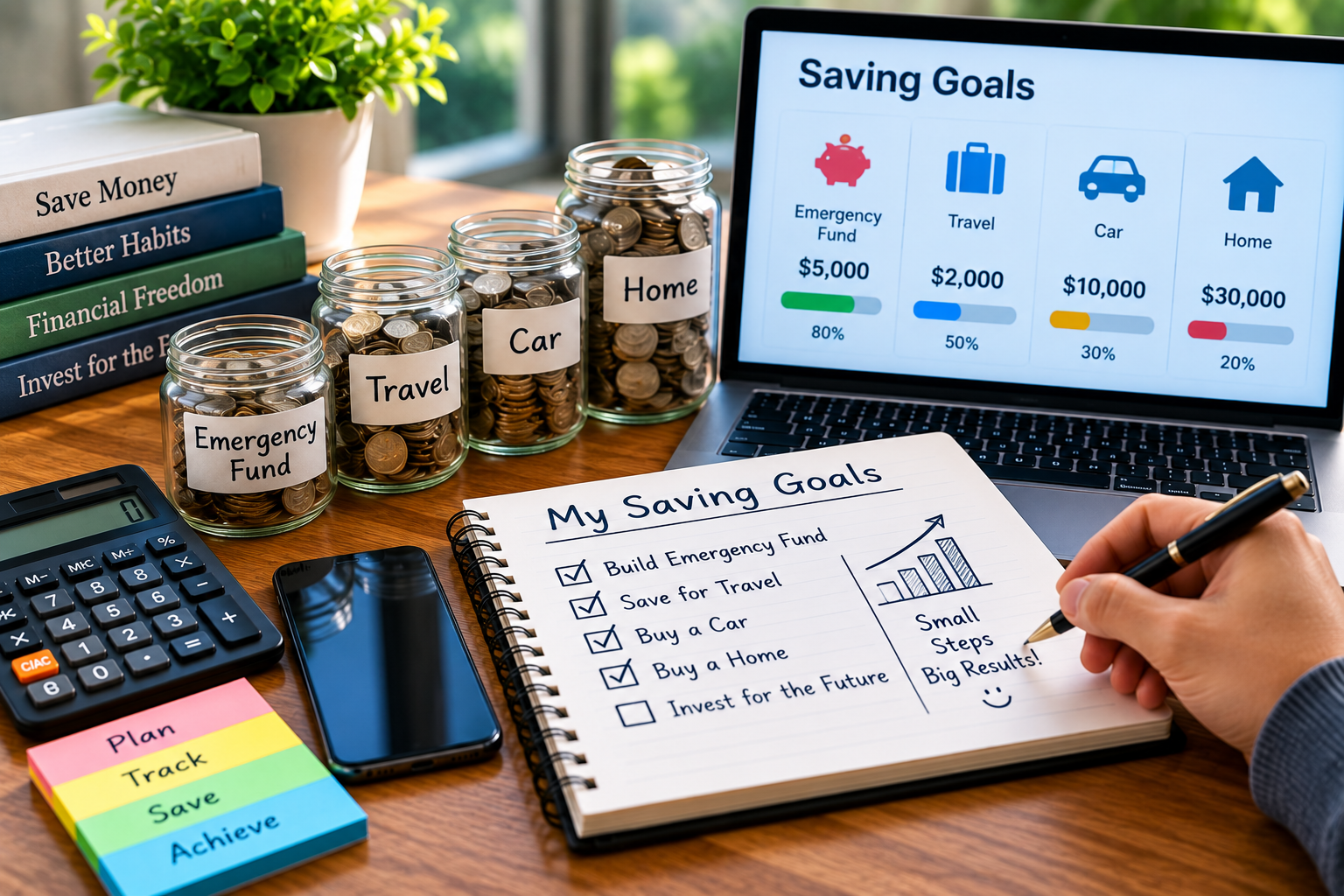
Savings should have a purpose.
You might be saving for:
- Emergency expenses
- A car
- Education
- A vacation
- A home
- Retirement
- A future business
- Another personal goal
A specific goal is easier to plan for than simply saying, “I should save more.”
For example:
I want to save $1,200 over the next 12 months.
That gives you a simple target of $100 per month.
Build an Emergency Fund
An emergency fund is money set aside for unexpected expenses such as repairs, medical bills, or a loss of income.
The CFPB describes emergency savings as a cash reserve for unplanned expenses and notes that even a small amount can provide some financial protection.
You do not need to wait until you can save a large amount.
Instead, choose an amount that fits your current situation and build the habit gradually.
5. Choose a Budgeting Method
There is no single budgeting method that works for everyone.
Choose a system that you can understand and maintain.
Zero-Based Budgeting
With a zero-based approach, you assign your expected income to planned spending, savings, and other financial priorities.
The goal is to give every dollar a purpose.
For example:
Income: $4,000
Planned spending and savings: $4,000
The number does not mean you must spend every dollar. Money assigned to savings or debt reduction also has a purpose.
Percentage-Based Budgeting
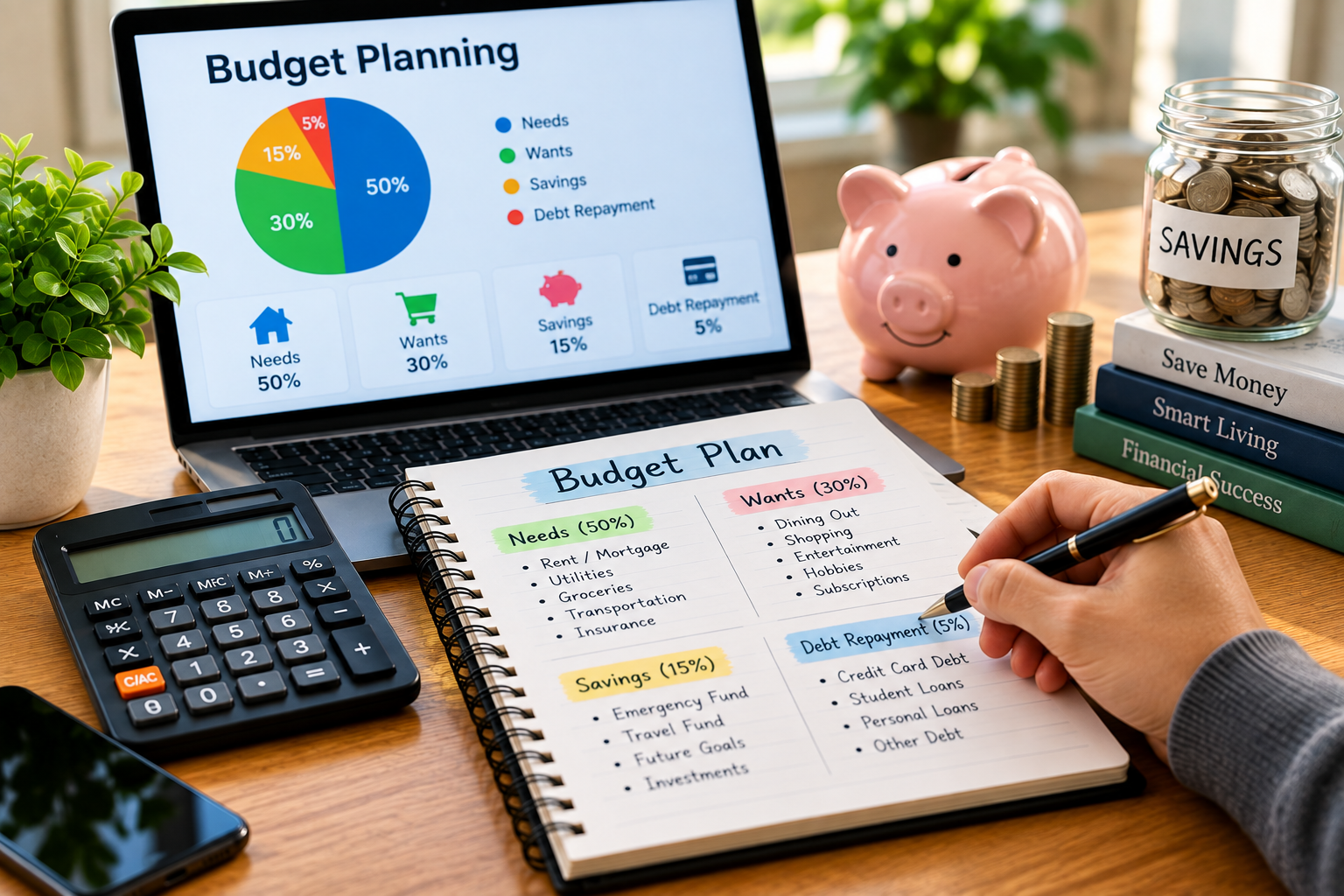
Another approach is to divide income among broad categories such as needs, wants, and savings.
The CFPB uses a 50/30/20 rule as one budgeting example: 50% for needs, 30% for wants, and 20% for savings goals. However, the CFPB also notes that this is only one possible rule and may not fit every person’s financial situation.
Therefore, treat percentages as a planning framework rather than a requirement.
Simple Category-Based Budgeting
If detailed systems feel overwhelming, start with a few broad categories.
For example:
- Essential expenses
- Flexible spending
- Savings
- Debt payments
- Other expenses
You can create more categories later if you need them.
6. Build Your First Monthly Budget
Now combine your income, expenses, and savings goals.
Here is a simple example.
Monthly take-home income: $4,000
Planned expenses:
- Housing: $1,200
- Utilities: $200
- Groceries: $450
- Transportation: $250
- Insurance: $150
- Debt payments: $300
- Personal spending: $250
- Savings: $500
Total planned amount: $3,300
That leaves $700 for additional expenses, extra debt payments, more savings, or other priorities.
The numbers are only an example. Your budget should reflect your actual circumstances.
Check the Final Number
Subtract your planned expenses from your expected income.
Income − expenses = remaining money
If the result is negative, your planned spending is higher than your income.
That is a signal to review your categories and identify expenses you can reduce, delay, or restructure.
Consumer.gov recommends reviewing your budget when expenses exceed income and looking for areas you can change.
7. Track Your Spending
Creating a budget is only the beginning.
You also need to compare the plan with what actually happens.
For example, you may plan to spend $400 on groceries but spend $475. That difference matters because repeated small gaps can affect your monthly cash flow.
You can track spending with:
- A spreadsheet
- Banking tools
- A budgeting app
- A notebook
- Your bank statements
Choose the method that you are most likely to use consistently.
Review Your Spending Weekly
A short weekly review can make the monthly review easier.
Ask:
- How much have I spent?
- Which category is higher than expected?
- Did an unexpected expense appear?
- Am I still on track with my savings goal?
Consumer.gov recommends using a budget each month, recording spending, and comparing actual spending with the original plan.
8. Adjust Your Budget When Things Change
A budget should not remain unchanged forever.
Your income may increase or decrease. Rent can change. A new bill may appear. You may also reach one savings goal and begin working toward another.
When something changes, update the budget.
Example
Suppose you originally planned:
$300 for transportation
After tracking your spending for several months, you discover that you regularly spend around $380.
Instead of pretending the original number is correct, adjust the category.
Then look for another area that can change if you need to keep your overall spending within your income.
A realistic budget is more useful than a perfect-looking budget that does not match real life.
Common Budgeting Mistakes to Avoid
Creating an Unrealistic Budget
Setting extremely low spending limits can make a budget difficult to maintain.
Use your real spending history as a starting point. Then decide which expenses you can realistically change.
Forgetting Irregular Expenses
Annual insurance bills, repairs, gifts, travel, and other occasional costs can disrupt a monthly budget if you ignore them.
Review several months of transactions so these expenses do not surprise you.
Ignoring Savings
Savings should not always be whatever happens to remain at the end of the month.
If a financial goal matters to you, include it as part of your budget.
Creating Too Many Categories
A budget with dozens of categories can become difficult to maintain.
Start with the categories that matter most. Add detail only when it helps you make better decisions.
Giving Up After One Bad Month
One month can go differently from your plan.
An unexpected repair or family expense does not mean the entire budgeting system failed.
Review what happened, update your plan, and continue.
Frequently Asked Questions
Q1: How much money should I save each month?
Ans: There is no single amount that works for everyone.
Your savings target should consider your income, essential expenses, debt, financial goals, and current savings.
Start with an amount that you can consistently manage. You can increase it as your financial situation improves.
Q2: What is the easiest way to create a budget?
Ans: Start with three basic numbers:
Monthly income + monthly expenses + savings goal
Write down your actual income and expenses first. Then decide how you want to allocate the money that remains.
Consumer.gov provides a budget worksheet that follows this basic process.
Q3: Should I budget weekly or monthly?
Ans: A monthly budget works well for many people because many bills are paid monthly.
However, weekly spending reviews can make the monthly plan easier to manage.
A practical approach is to create a monthly plan and check your spending once a week.
Q4: How do I budget with irregular income?
Ans: Start by reviewing your previous income and looking for a realistic monthly estimate.
Consumer.gov suggests using income from the previous year and dividing it by 12 when someone does not receive regular monthly pay.
You can then adjust your plan when actual income comes in.
Q5: What should I do if my expenses are higher than my income?
Ans: Start by reviewing every category.
Look for optional expenses that you can reduce. Then review recurring bills, debt payments, and other costs to see where changes may be possible.
If the problem continues, you may also need to look at ways to increase income.
The key is to identify the gap rather than ignoring it.
Final Thoughts
Learning how to create a personal budget does not require a complicated financial system.
Start by understanding your income. Then list your expenses, separate needs from wants, choose realistic savings goals, and track what you actually spend.
Most importantly, treat your budget as a working plan.
Your first version does not have to be perfect. Review it regularly, learn from your spending, and make adjustments when your circumstances change.
A simple budget that you actually use can give you a clearer view of your money and help you make more deliberate financial decisions.
2 thoughts on “How to Create a Personal Budget: A Practical Guide for Beginners”